The Registered Park & Garden
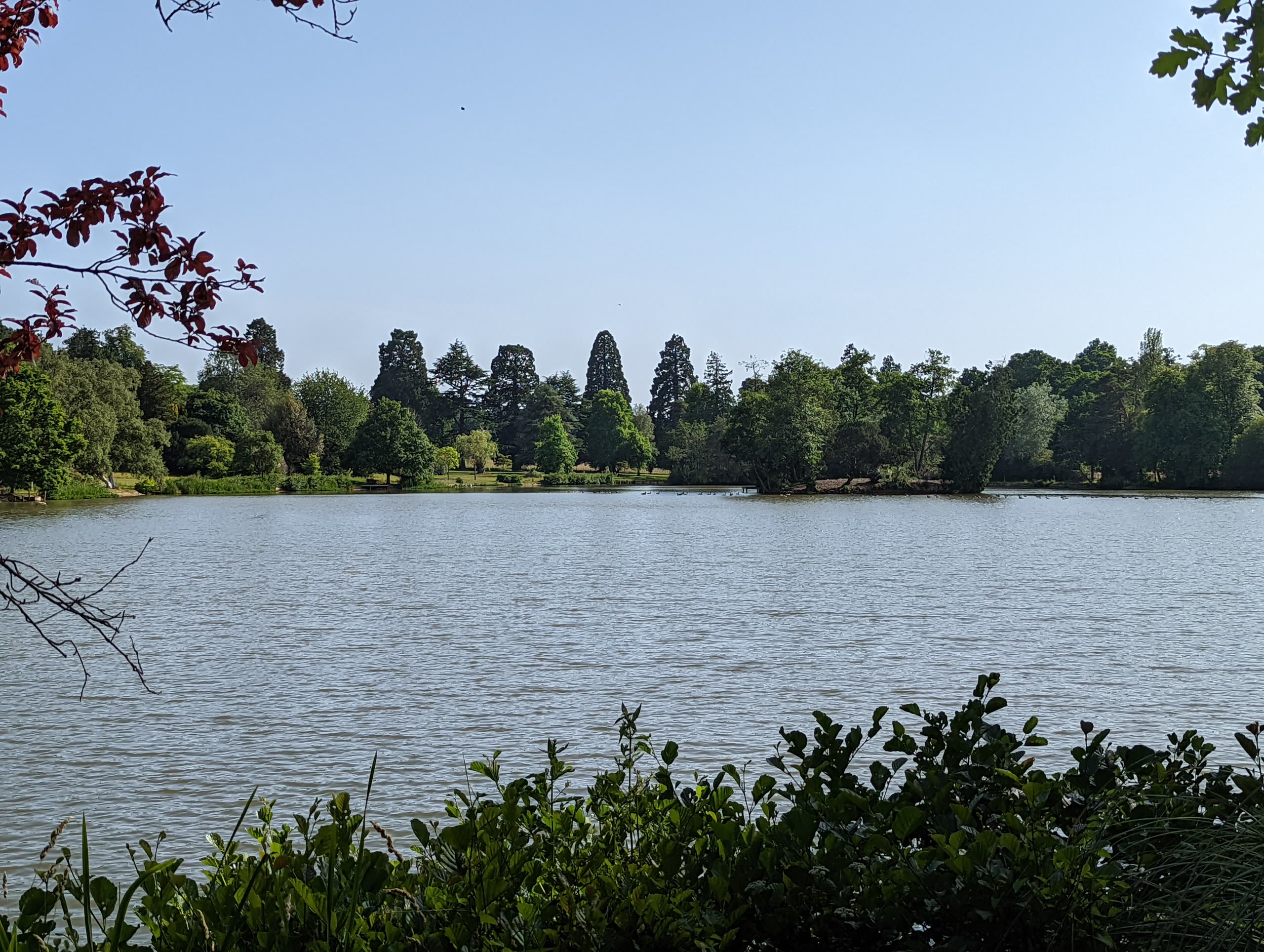
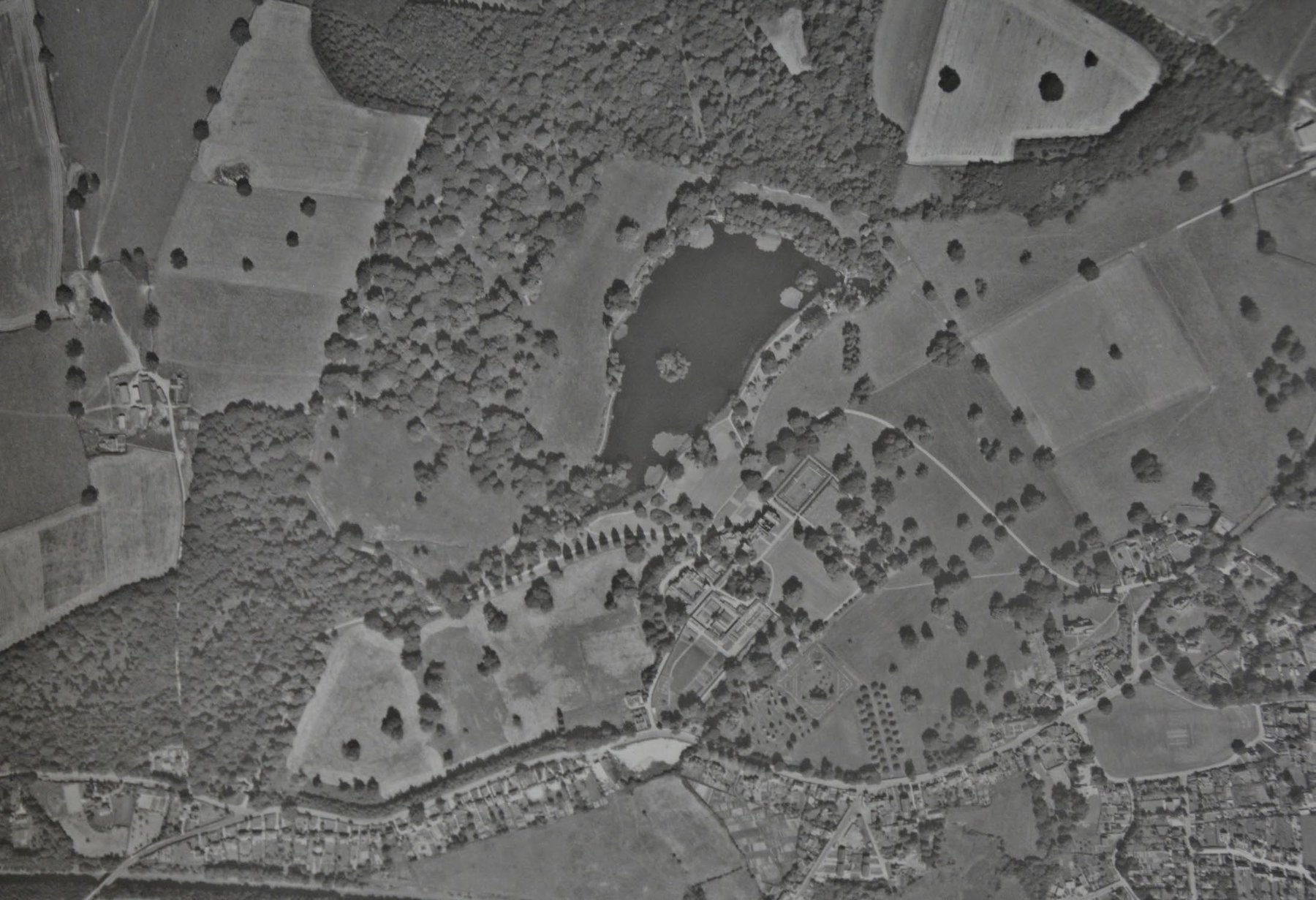
Every designed landscape needs a heart, and Hall Place’s is its lake — a broad stretch of water that gathers the estate around it and turns every walk into a series of pictures. It was not always there. When Samuel Morley bought the estate in 1870 there was no lake at all; within four years of his purchase, a valley at the centre of the park had been dammed, flooded and planted into the best kind of Victorian ornament — one that worked for a living.
Building the lake
The work was enormous and fast. Earthworks began in June 1871, and by the following month a sluice valve was already in place. The digging and banking continued until March 1874; by September of that year the boathouse had been thatched and the first boat was on the water. Contemporary accounts describe a lake of about thirteen acres, and the design is attributed to Robert Marnock, the most celebrated garden maker of the age, who shaped its gardenesque margins with weeping and upright poplars, golden arbor vitae and other trees chosen to catch the light at the water’s edge. Mature oaks that had stood in the pasture long before Morley’s day were kept and became the lake’s eldest ornaments.
The engineering behind the beauty is visible if you know where to look. The lake was dug straight into the Wealden clay; the excavated clay itself forms the great earthen dam at the northern end, two to three metres high and carried along its crest by the carriage drive. Water arrives mainly from the south-west, where streams and springs rise along the junction of sand and clay, and the main inflow runs — unseen — through a culvert beneath the boundary bank of the Rookery. Springs emerge where the porous sand lies over less permeable ground, which is why parts of the pasture beside the lake have always been wet.
Bridges, boathouse and edges
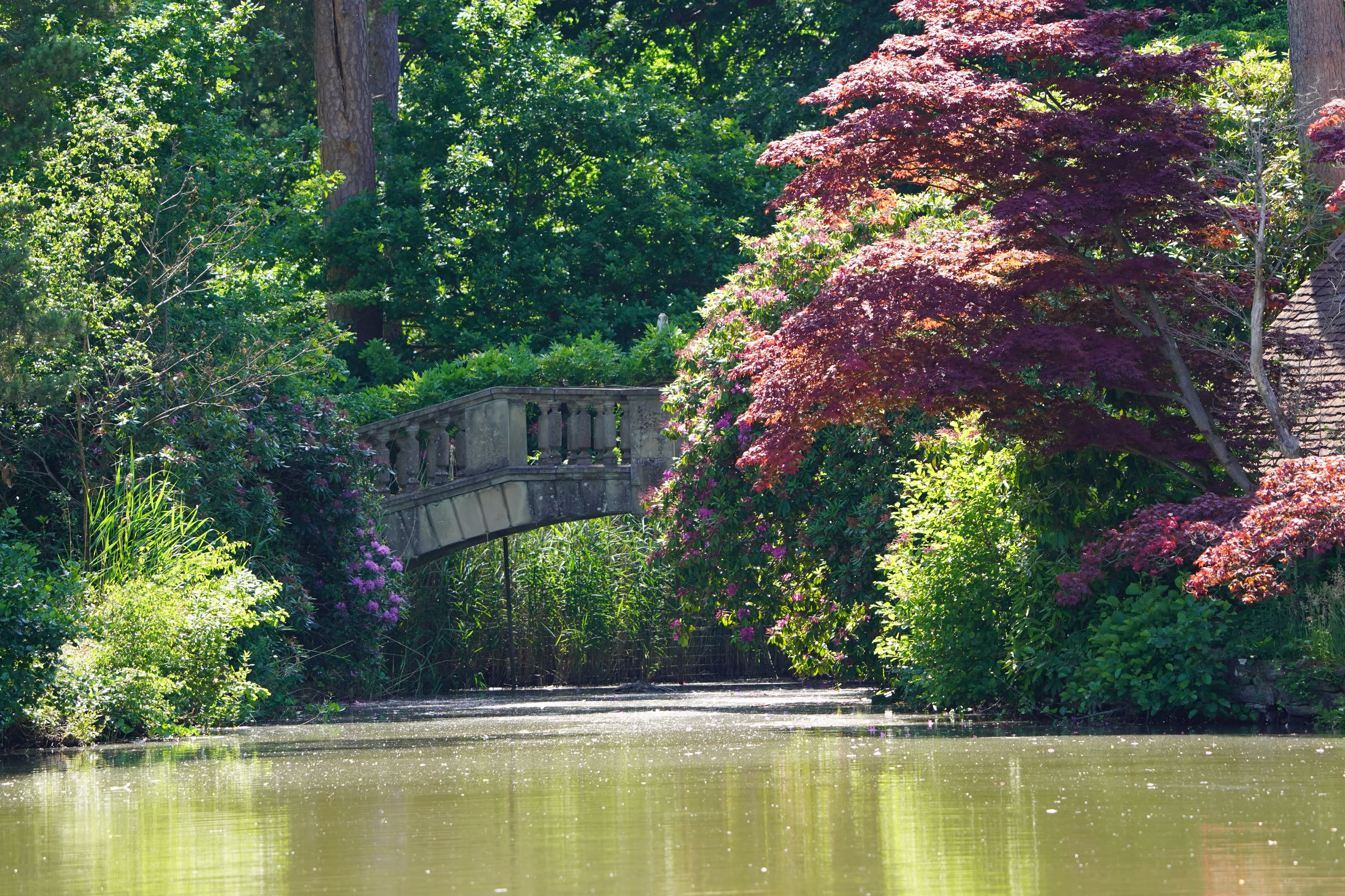
Three bridges cross the water, each in the Palladian manner, with rusticated arches, dropped keystones and balustrades of bottle balusters. They look older than they are: the present structures replaced Victorian timber bridges in 1930, and beneath their stonework they are reinforced concrete. Prominent pines stand beside each crossing as markers, drawing the eye along the perimeter walk.
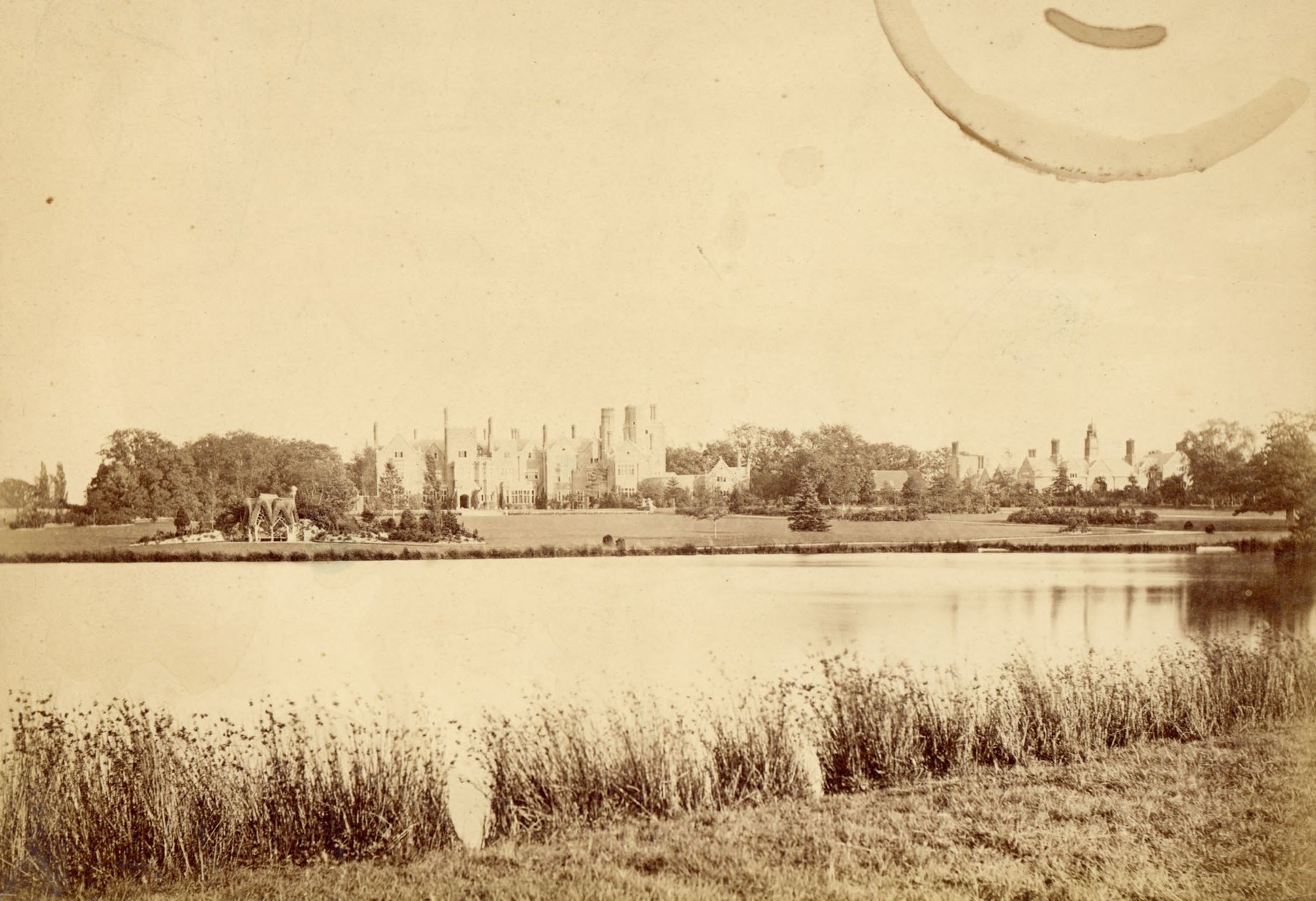
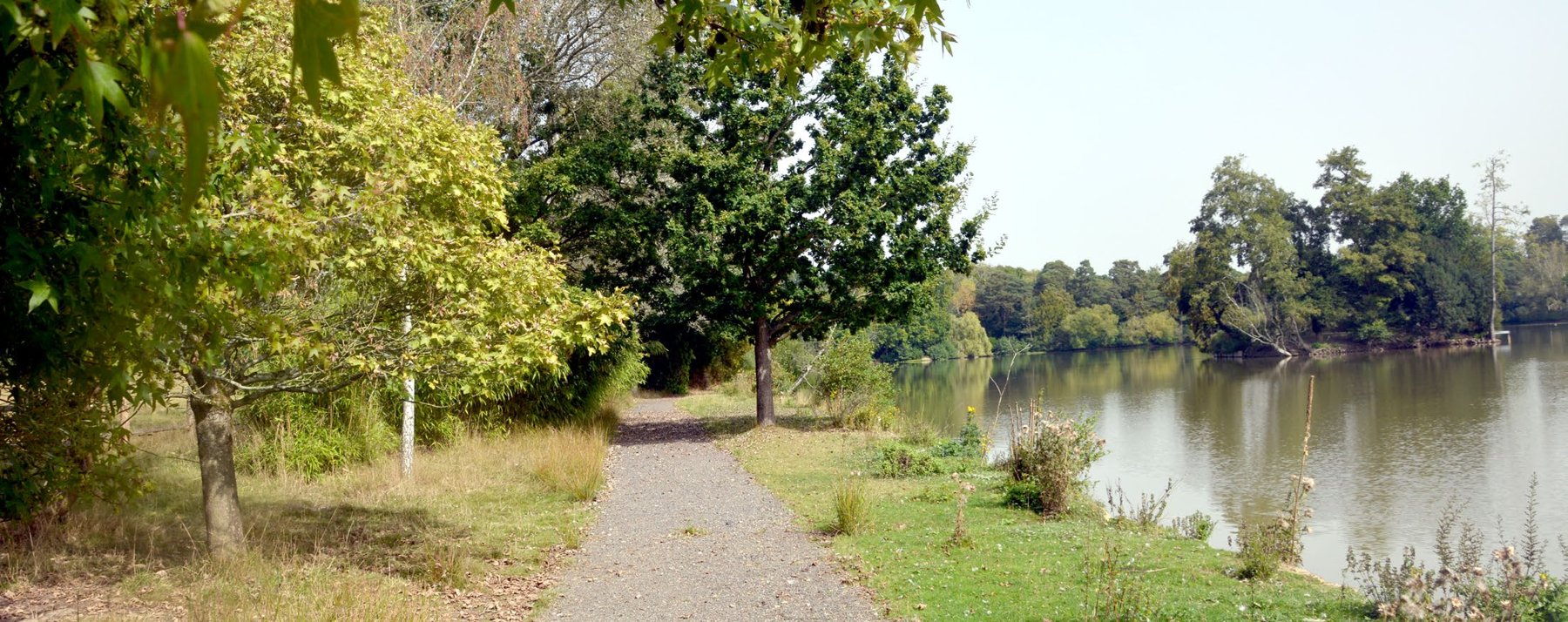
At the southern end the boathouse tucks into the slope, its barn-like hipped roof bristling with dormers of varying shapes and sizes; it is contemporary with the lake itself, though almost entirely rebuilt in the early twenty-first century, and it remains in sound condition today. Below the mansion, the remains of a stone summerhouse look out across the water — its gabled wall faced in rustic stonework, its classical columns and carved corbels still clinging to the bank — and on the far bank a simple timber fishing shelter waits under the trees. The carriage drive that sweeps over the dam was banked and planted to structure the views: dense yew and pine on the north keep the world out, while the southern shore keeps only a few well-placed limes and beeches, opening long views across the water to the house.
Water, weather and wildfowl
The lake is a working piece of infrastructure as much as a pleasure ground, and the estate’s 2023 survey found it under strain. It now floods most winters: the outfall at the north-eastern corner cannot pass the average peak flows of winter, so water rises over the footpath each year. The outfall structure itself has settled and leaks, its discharge pipes broken and invaded by tree roots; a design drawing from 1913 shows how earlier generations tried to master the same problem. In mid-2023 the water level was measured some 100 millimetres below ideal in May and 175 in July.
One reassurance stands out amid the survey’s findings: there is no imminent danger of the dam itself failing. The embankment is sound; the problems are at the water’s edges — and the survey notes that the dam’s trees, so central to its character, have themselves caused some of the damage, as wind-rock loosens the ground around their roots and past clearance of the dam’s planting is remembered to have caused seepage. Upstream, land use has barely changed since the lake was built, so the flood flows it must carry are no greater than Victorian engineers faced; there is, notably, no record of over-topping from the lake’s early years.
The plan for recovery is detailed and gentle. New intercept drains will collect water on both banks before it muddies the lake; settlement ponds upstream will trap fine silts before they reach the water; and the worst sediment — organic matter drifted beneath the trees and banking up behind both northern bridge inlets — is scheduled for careful dredging, with the Rookery suggested as the place for the arisings to spread. Along the shores, the eroded edges will be rebuilt in a palette of traditional methods: chestnut stakes with bound faggots, alder and goat willow planted into the bank, and a more formal lawn-to-lake edge in front of the house.
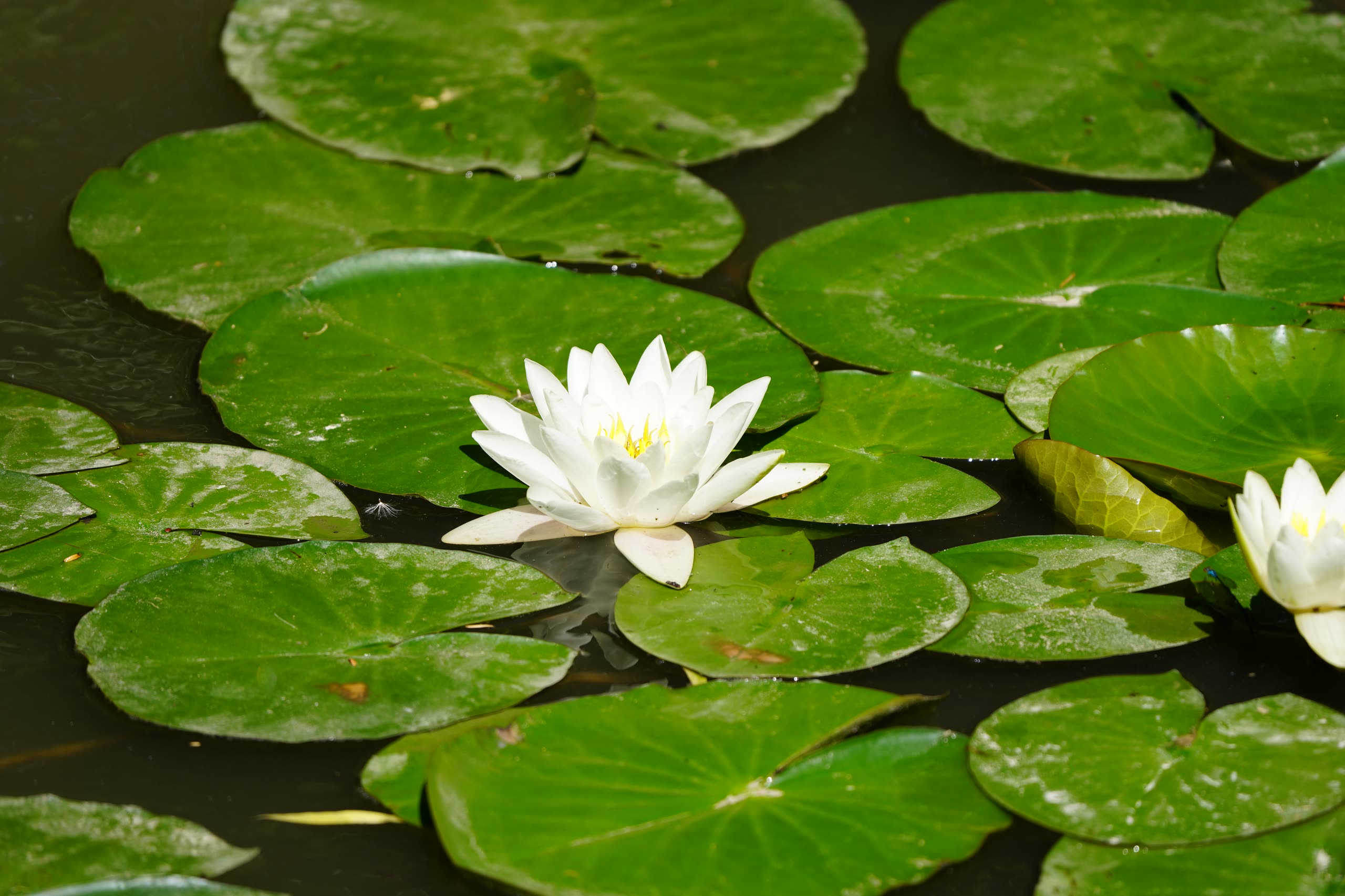
The lake’s wild residents complicate the work. Canada, greylag and pink-footed geese gather in numbers the banks cannot support, grazing the margins bare just when they are most vulnerable — though the water itself remains in good condition, helped by the annual turnover that winter flooding brings. Where the edges are stable, yellow flag, bogbean, branched bur-reed and purple loosestrife line the shallows; beyond the dam, a tall herb fen of hemlock water-dropwort marks the ground the lake once claimed. The bird records read like a coastal observatory: osprey, bittern and red-throated diver have all passed through, with kingfishers and great crested grebes in residence. Trout, once stocked in the second Lord Hollanden’s day, are gone, but large shoals of rudd were remembered by the estate’s former head gardener, and the fish today appear in good health.
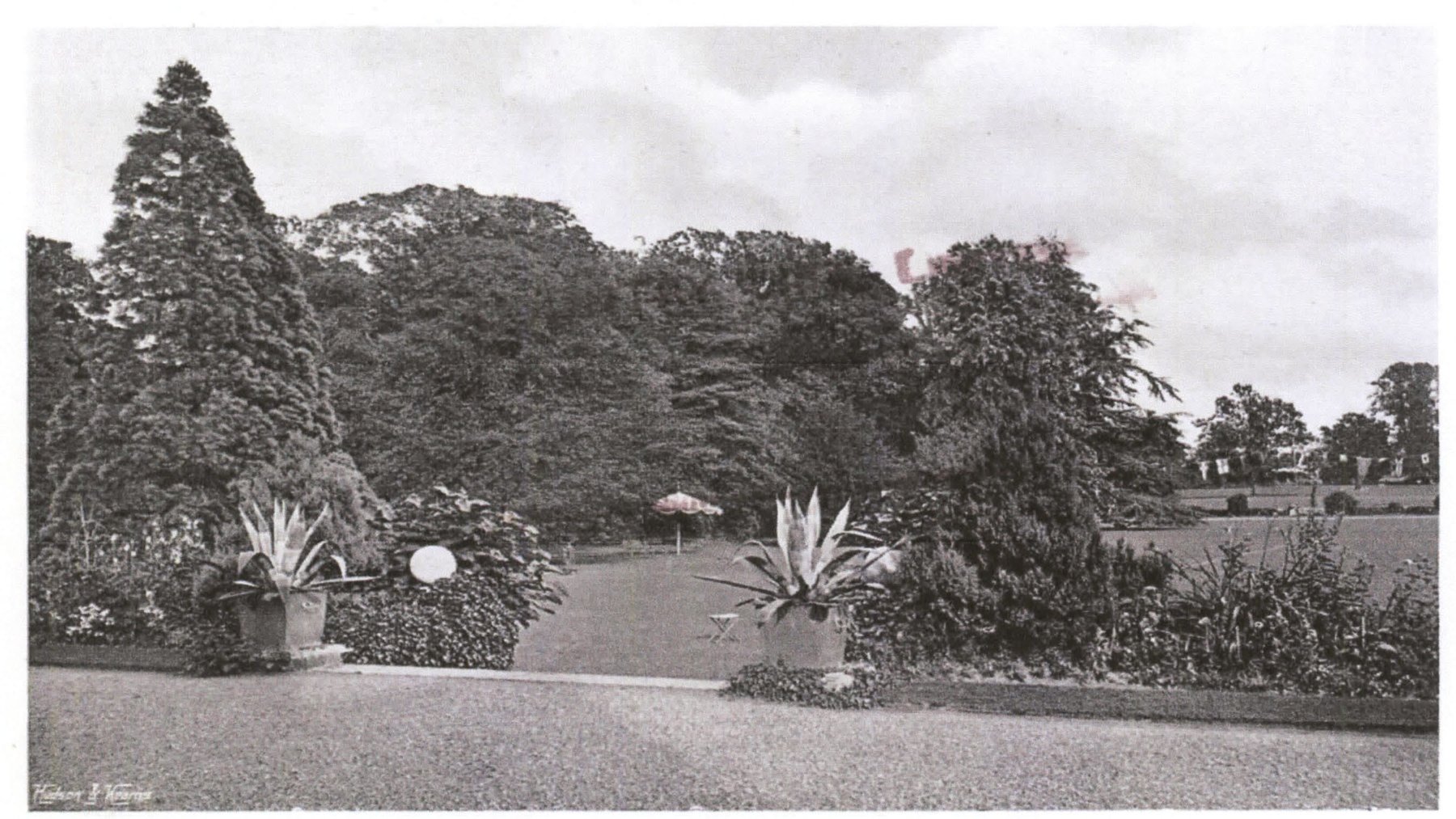
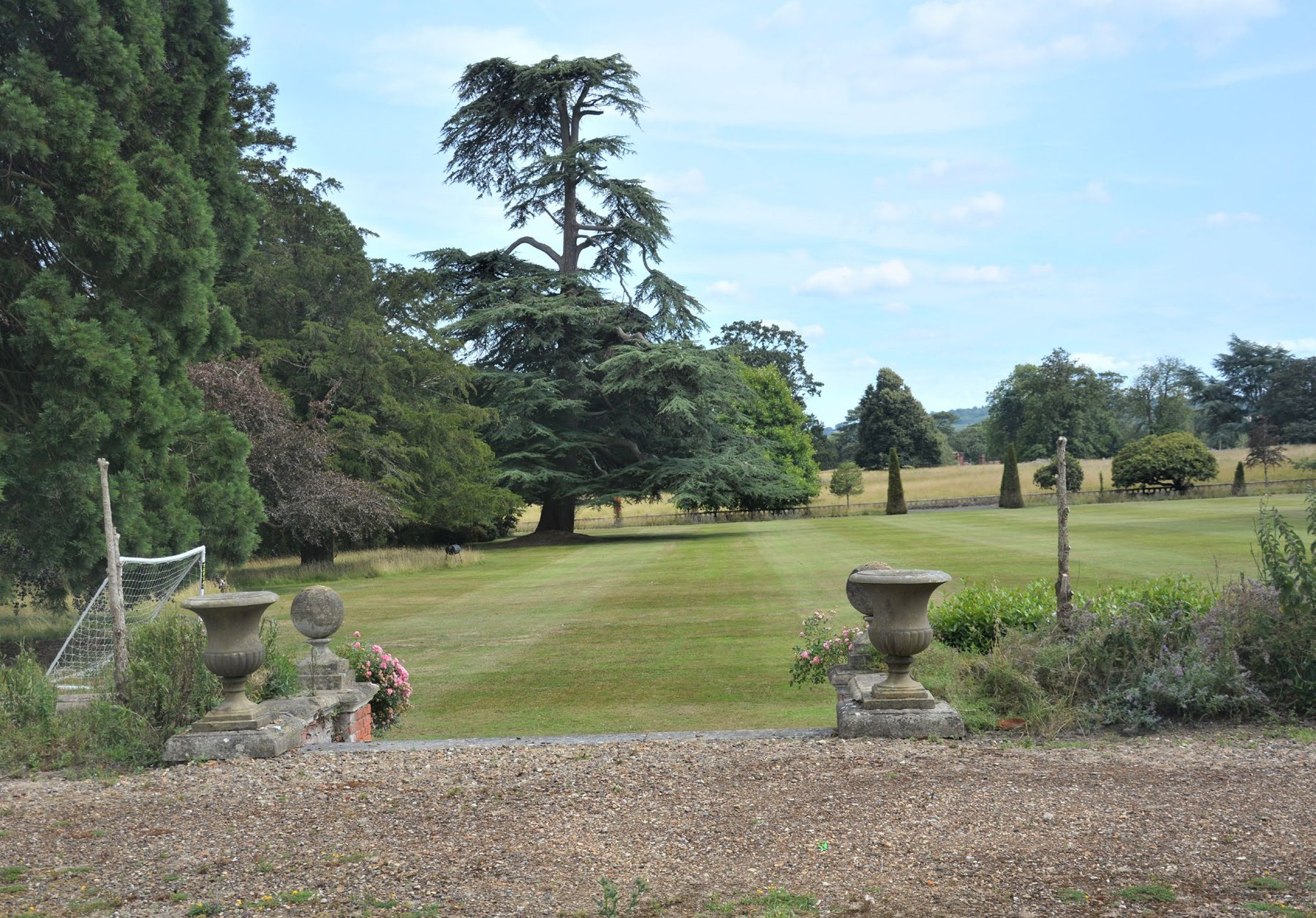
For all its repairs, the lake remains what Marnock intended: the picture that organises the estate. From the terrace, from the bridges, from the drive over the dam, it offers the long, calm view that every other part of the garden serves.
This page draws on the estate’s Conservation Management Plan (2023) and the National Heritage List entries for Hall Place and its registered park.